Quieter, Cozier, Lower-Bill Apartments Through Passive-First Retrofits

Today we explore apartment retrofits that prioritize passive upgrades before minimal smart add‑ons, focusing on comfort, resilience, and bills that finally make sense. We will lean into insulation, air sealing, thoughtful shading, and envelope fixes, then add only a few carefully chosen, truly useful controls. Expect practical, renter‑friendly steps, honest tradeoffs, and stories that prove a calmer, warmer, and healthier home can start with simple materials, not a shelf of hubs and apps.

Start With Physics, Not Apps

The Comfort Multiplier

Seal leaks, calm radiant asymmetry, and suddenly a modest thermostat setting feels luxurious. One renter shared that after rope‑caulking sash gaps and adding lined curtains, evening chills vanished, the fan stayed off, and movie nights felt serene. Passive work multiplies every watt you spend, turning small systems into big performers. Quiet surfaces, steady temperatures, and fewer drafts help sleep, focus, and well‑being more than any notification ever could.

Load First, Controls Second

A smart thermostat cannot control air that sneaks through a wobbly window lock. Reduce heating and cooling load—weatherstrip doors, add interior storm inserts, and tame solar gain—then even a simple thermostat with one schedule shines. Your gear cycles less, lasts longer, and delivers steadier comfort. By shrinking peak demand first, you avoid chasing elaborate automations and instead enjoy a calm setup that rarely needs your attention.

Resilience and Noise Benefits

Interior storm panels, door sweeps, and dense curtains soften street noise and extend comfort during outages by slowing heat loss. A neighbor in a drafty corner unit reported that a winter blackout felt less urgent after sealing outlets and adding a rug pad; rooms stayed usable longer. Passive layers also cut equipment noise because fans can run slower. Fewer rattles, fewer alerts, more peace—day and night, season to season.

Getting Approvals Without Headaches

Come prepared with a one‑page plan showing reversible methods, photos, and quiet hours. Offer to log before‑and‑after temperatures and send a brief report for the board’s files. Emphasize health, comfort, and lower complaints. Mention that interior storm inserts, outlet gaskets, and door sweeps leave original finishes intact. Goodwill grows when you show care for common areas, schedule deliveries responsibly, and invite feedback. Approvals move faster when everyone sees clear benefits and low risk.

Respecting Codes and Hidden Risks

Do not block combustion air, sprinklers, or egress. If your building is older, ask about lead paint and asbestos before sanding or drilling. Use removable adhesives and compression fits wherever possible. Verify that bathroom and kitchen fans vent safely and that any films or window treatments meet fire requirements. When unsure, speak with the super or a qualified pro. A careful plan protects health, avoids fines, and keeps your project welcome in the community.

Envelope and Draft Control You Can Do Today

You can transform comfort this week using simple tools and reversible materials. Focus on weatherstripping entry doors, installing door sweeps, sealing utility penetrations, adding outlet gaskets on exterior walls, and placing reflective panels behind radiators. Interior storm panels or window films help, while lined curtains or cellular shades reduce night heat loss. Work methodically, room by room, keeping caulks paintable and choices easily removable. Share your biggest draft discovery below; your tip might help a neighbor.

Finding and Fixing Hidden Moisture Paths

Look for damp cabinet backs, cold exterior corners behind furniture, and gaps around tub surrounds. Long showers, unvented dryers, and overwatered plants compound the load. Log humidity morning and evening for a week, then test tweaks: longer fan runouts, cracked doors, and door undercuts. Small changes and targeted sealing often erase musty smells. When a neighbor sealed a leaky plumbing chase and timed bath fans, window condensation eased and towels finally dried overnight.

Quiet Ventilation Options for Renters

If central ventilation is weak, consider a window insert with a quiet fan and backdraft damper, or upgrade an existing bath fan switch to a humidity or timer control with permission. In living areas, a HEPA purifier with carbon tackles particles and odors without ducts. Keep pressure balance with door undercuts, and verify air actually exits, not recirculates. Practical, quiet strategies maintain freshness while preserving your envelope work and everyone’s sanity.

Verify Without Gadget Clutter

One well‑placed CO2 and particle monitor can reveal patterns while avoiding a shelf of screens. Pair its readings with a simple notebook: note window condensation, musty spots, sleep quality, and outdoor weather. Photograph trouble corners monthly. Use this evidence to right‑size responses—longer fan runouts, more door undercut, or a small trickle solution. Keeping tools minimal strengthens focus, reduces distraction, and ensures you spend time living, not constantly diagnosing.

Comfort, Moisture, and Fresh Air Balance

After tightening the envelope, give equal care to ventilation and moisture. Aim for steady humidity, clear bathroom exhaust paths, and kitchens that actually remove steam and odors. A simple hygrometer can guide daily habits, while quiet fans on timers prevent foggy mirrors and mold‑prone corners. Choose one quality air‑quality monitor if you truly need it, and let your nose, windows, and comfort tell the rest. Health, clarity, and restful sleep arrive when air moves wisely.

Simple Controls, Lighting, and Heat Without Gadget Clutter

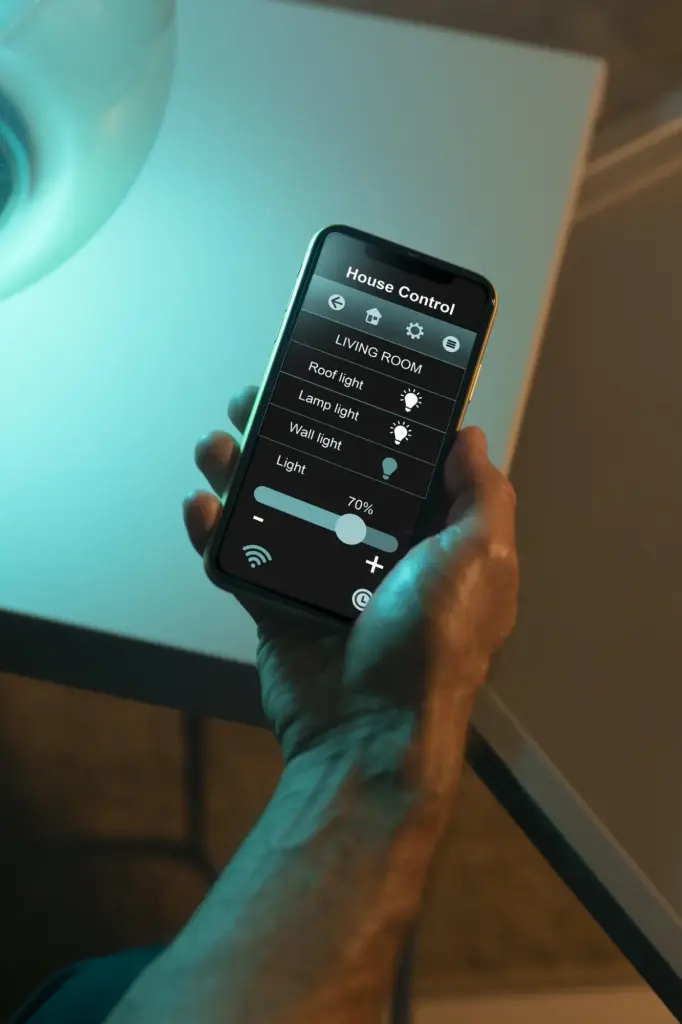
Once drafts are quieted, a few thoughtful controls go far. Layer LED task lighting, use warm tones in the evening, and place small occupancy sensors only where they solve real forgetting. Prefer mechanical thermostatic radiator valves if you have radiators; add one smart plug to meter a window AC if needed. Balance ceiling fans for gentle mixing. Comfort is personal: heat the person first, the air second, and let schedules run quietly in the background.

Lighting That Serves People First

Create islands of light for work, reading, and cooking, with softer pools for evenings. Shift to warmer color temperature after sunset to relax, reserving neutral‑cool light for focused tasks. Small vacancy sensors in closets or pantries prevent waste without drama. Favor dimmers you actually touch over complicated scenes. When one reader swapped a glaring pendant for a shaded task lamp and under‑cabinet LEDs, eye strain dropped and evenings felt instantly calmer.

Heat and Cool the Person, Not the Volume

Behind radiators, add thin reflective panels to nudge warmth into the room. Use fans on low to gently mix air and reduce stratification. Try a throw blanket, warm slippers, or a focused low‑watt lap heater on a timer before cranking systems. Keep furniture clear of convectors and ensure radiator valves move freely. These people‑first moves pair beautifully with envelope fixes, delivering steady comfort without inflating bills or drowning life in settings.

Set‑and‑Forget Schedules That Stick

Choose a single weekday and weekend schedule that matches real routines, not wishful thinking. Add a vacation mode and resist tinkering. For window AC, a smart plug with energy readout can reveal patterns; for radiators, a stable valve setting often wins. The less you fiddle, the more consistent comfort becomes. Comment with your favorite simple rule—others can learn from your most reliable, least fussy setting that quietly works every week.

Proving Results and Adding Just‑Enough Smarts

Track comfort with a short journal, note utility bills, and photograph the worst draft spots before and after each upgrade. Celebrate every passive win first. Then, only if needed, add a small number of smart helpers: perhaps one thermostat you truly control, a careful radiator solution, a single leak sensor, or one metering plug. Favor local control and long support windows. Share your outcomes below so neighbors and readers can replicate your success.

Low‑Tech Evidence That Matters

Print bills, note seasonal weather, and keep a one‑page log: temperatures at wake and bedtime, humidity in bath after showers, and any window condensation. Blue tape marks can track drafty edges before sealing, then come off clean. Ask a friend to rate noise before and after interior storms. These simple signals build confidence, guide next steps, and explain results to a landlord or board far better than flashy dashboards ever could.

Choosing Devices With Purpose

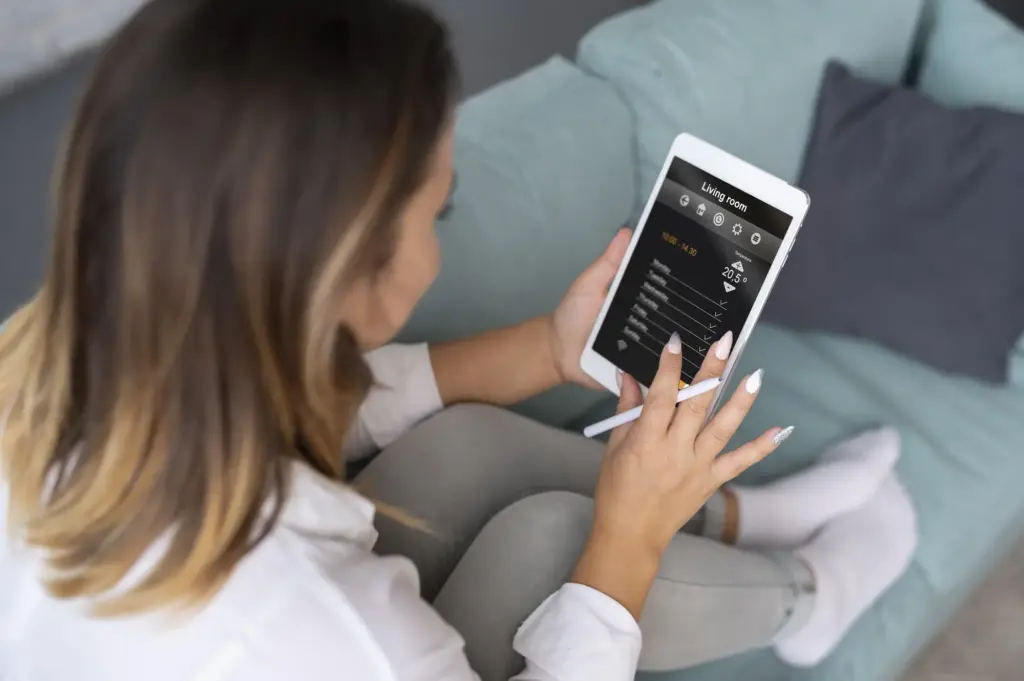
Add devices only where they clearly help daily life. If you control your heating zone, a reliable thermostat with straightforward schedules may suffice. Prefer options with local control, strong privacy practices, and long support. For window AC, one metering plug can tame usage. Skip redundant sensors; combine functions where possible. Fewer, better tools reduce troubleshooting, battery changes, and distraction, ensuring your careful passive work remains the star of the upgrade.
Livolorolumapira
Privacy Overview

This website uses cookies so that we can provide you with the best user experience possible. Cookie information is stored in your browser and performs functions such as recognising you when you return to our website and helping our team to understand which sections of the website you find most interesting and useful.