
Cooler Spaces, Living Systems

Today we dive into Biophilic Cooling: Indoor Planting, Evaporative Cooling, and Circadian-Smart Lighting Integration, weaving practical science with lived experience. Discover how leaves, water, and light collaborate to reduce perceived temperature, trim energy use, and sustain focus. From balcony herbs that transpire gently to ceramic towers that sip water and LEDs that shift spectrum with your day, you will gather actionable ideas, safety notes, and planning steps. Join in, ask questions, and help shape cooler, kinder interiors that welcome bodies, minds, and budgets.

Why Nature Lowers the Thermostat

Cooling can be created, not merely consumed, when biology and physics cooperate indoors. Plant transpiration nudges humidity to a sweet spot that eases skin evaporation, shade reduces radiant load, and water absorbs heat through phase change. Meanwhile, dynamic lighting aligns alertness without dumping unnecessary watts into the room. Together they shift comfort from mechanical brute force toward elegant, low-energy synergy. Expect improved well‑being too, as greenery and daylight-mimicking light calm the nervous system and help attention recover after demanding tasks.

Indoor Planting that Works in Real Rooms
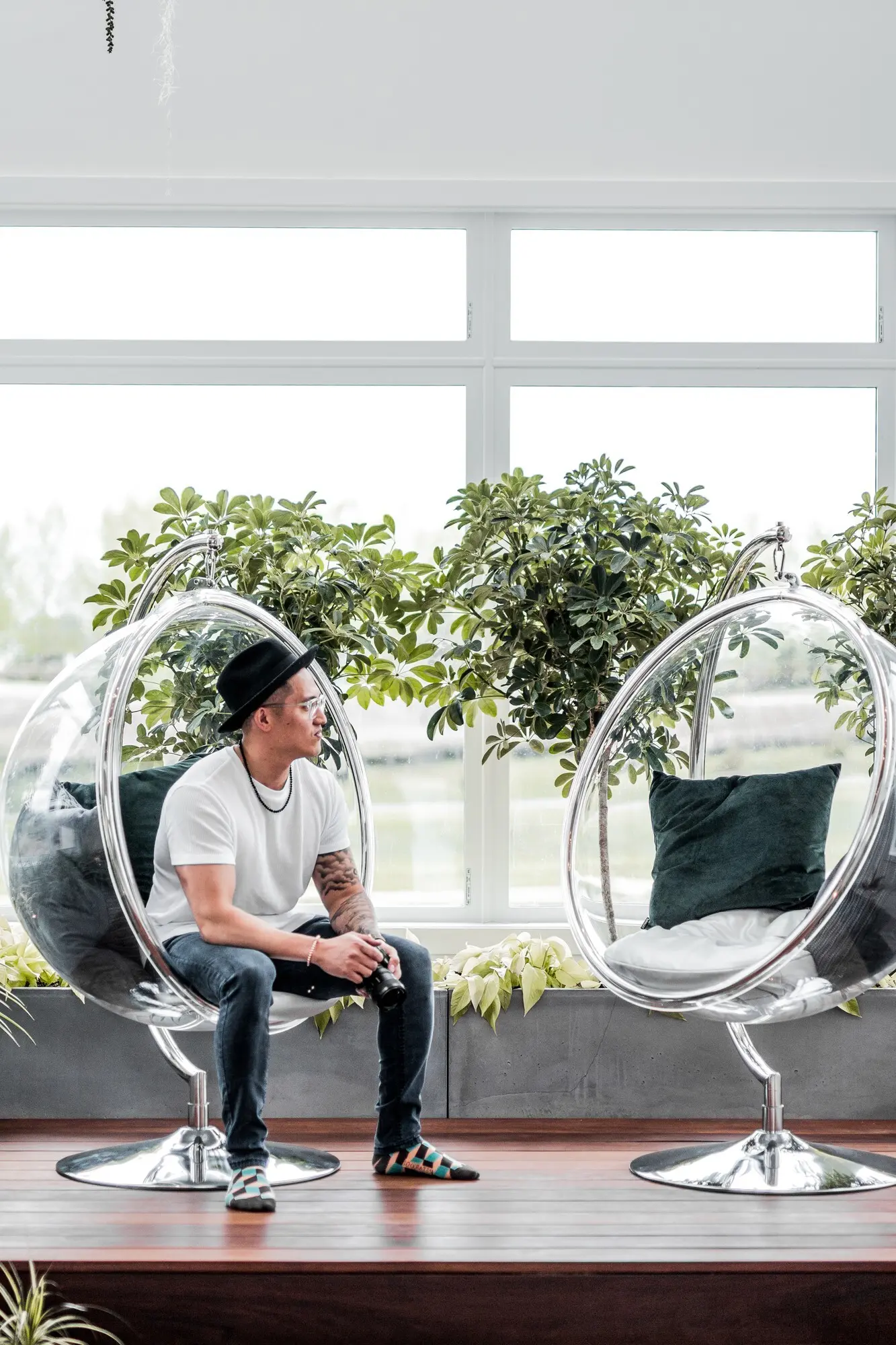
Successful cooling with plants begins with honest constraints: light levels, airflow, maintenance time, pets, and potting choices. Select species with compatible watering rhythms and complementary forms—broad leaves for shading, vining growth for vertical green, upright spears for airflow. Mix planters that breathe with reservoirs that stabilize moisture. Keep foliage slightly off walls to prevent mildew, and rotate positions seasonally. With a few smart groupings, even renters can sculpt a cooler, healthier microclimate that looks intentional rather than crowded or damp.

Shade, Vines, and Vertical Forests

Use trellised pothos, heartleaf philodendron, and creeping fig to veil sunstruck walls and soften radiant heat. Modular living panels turn blank partitions into gentle coolers when paired with discreet drip lines and fans on low. Place broad-leaf companions—such as monstera and bird-of-paradise—near seating to block harsh angles of afternoon sun. When maintained consistently, these vertical forests reduce glare, create depth, and help airflow skim foliage, removing humidified air before it stagnates and leaving rooms surprisingly calmer under bright skies.

Low-Light Champions

Where windows are stingy, reach for resilient stalwarts like snake plant, ZZ plant, peace lily, and cast iron plant. Their steady transpiration and tolerant natures let them thrive in hallways, bedrooms, and shaded corners. Pair with reflective surfaces and light-toned walls to bounce daylight deeper. Water conservatively to discourage gnats, and feed lightly in spring. Even three medium specimens grouped beside a worktable can temper that dry, stuffy feeling many apartments suffer on transitional weather days when the HVAC is off.

Edible and Aromatic Helpers

Mint, basil, lemongrass, and rosemary do double duty: subtle evaporative lift, delicious harvests, and mood-brightening scent. A shallow trough on a sunny sill, wicked from a reservoir, keeps herbs stable through hot spells. Rotate pots so growth stays dense and shading even. Watch for aphids during indoor heat waves and rinse foliage outdoors weekly when possible. Guests notice the air first, then the flavor; the space feels fresher because living aromas hint at cool gardens rather than closed, recirculated rooms.

Evaporative Cooling without the Mess

Portable Bowls to Ceramic Towers

Start with what you have: a wide bowl near a warm window, a soaked cotton sleeve over a bottle, or a terracotta candle jacket that wicks steadily. Graduate to vertical clay stacks with internal wicks that multiply surface area and self-regulate. Elevate units on trays with pebbles to catch drips and prevent furniture damage. Use distilled water where minerals crust. The sensation is subtle but real, especially when a quiet fan pulls air across the porous surface and distributes the cool evenly.

Window Pods and Cross-Breeze Tactics

Small window units that draw outside air across wet media can temper hot afternoons when mechanical cooling strains. Combine with cross-ventilation by cracking an opposite window and positioning plants to flank the path, smoothing airflow with gentle leaves rather than blocking it. On windless days, two silent fans—one pushing, one pulling—recreate a breeze through the evaporative zone. You will feel the relief most where you sit and work, as radiant and air temperatures harmonize into something kinder and more sustainable.

Sensors, Safety, and Scale

Measure temperature, relative humidity, and airflow to right-size equipment and avoid mildew. Aim for humidity that feels dewy but never heavy, adjusting water surface area as weather changes. Clean reservoirs weekly, flush wicks, and dry components between seasons to deter biofilm. Avoid ultrasonic misters near electronics and dusty shelves. If anyone in the home is sensitive, start tiny and observe. Scale up only after a week of notes shows comfort improved without condensation on windows, musty smells, or sticky sheets at bedtime.

Circadian-Smart Lighting that Respects Heat Budgets

Lighting can sculpt comfort through timing and spectrum rather than sheer lumen muscle. Use cool, bright, blue-enriched light in the first half of the day, then glide toward warm, dim ambers after sunset. Lower wattage LEDs with high efficacy produce far less waste heat than legacy bulbs, easing the burden on fans and plants. Program schedules that echo local sunrise and sunset, layer task lights, and keep ceilings calm. Your nervous system will notice, and so will the temperature on your skin.

Morning Spark, Evening Ember

Set a gentle ramp to 5000–6500K by mid-morning for alertness, then descend to 2700–2200K after dinner for relaxation. Tie changes to real sun times using smart controls, or keep it manual with two presets. Combine the morning sparkle with fresh air and a glass of water for a reliable daily cue. By night, dim deeply so eyes and plants rest. Over a few weeks, you may find sleep arrives faster and rooms feel cool even when the forecast disagrees.

Layered Luminaires, Lower Watts

Replace one scorching ceiling cannon with a trio: a focused task lamp, soft indirect wall wash, and a petite accent. Each runs cooler and targets exactly what you need. Choose high-efficacy fixtures, good diffusion, and drivers that dim smoothly without flicker. Keep reflective finishes in check to avoid glare that tricks the brain into feeling hot. This layered approach uses fewer watts at peak times, preserves circadian cues, and leaves the microclimate available for plants and evaporation to shine.

Integrated Design Playbook

Cooling power multiplies when plants, evaporation, and light act as one choreography. Map sun paths, heat sources, and breathing zones, then place foliage to shade, water to sip heat, and lights to signal circadian ease. Start minimally, measure, and refine pathways for air and people. In tight rentals, modularity rules; in offices, maintenance cadence and ownership matter most. The following scenarios reveal how a few deliberate moves can feel like a structural upgrade without heavy renovations, noise, or big monthly bills.

What to Measure and Why

Use a simple kit: a calibrated thermometer, hygrometer, and light meter app. Aim for temperatures that feel gentle rather than chilly spikes, humidity that supports skin and leaves without fogging glass, and light that energizes early then unwinds. Record where you sit, not just near windows. Snap photos to track leaf posture and glare. Over time, patterns emerge that guide plant placement, evaporative surface sizing, and lighting scenes with confidence instead of guesswork or expensive, irreversible decisions.

Small Experiments, Big Insights

Change one variable per week: add a clay tower, shift a vine, or warm the evening light sooner. Note immediate sensations and delayed effects like sleep or concentration. Encourage feedback from visitors who notice air and light with fresh eyes. If humidity creeps up, trim surface area or boost airflow. If evenings still feel edgy, dim earlier and soften spectrum more. These small, playful trials reveal surprisingly large comfort gains without tools beyond curiosity, patience, and a notebook.

Community Stories and Support

We learn fastest together. Post before-and-after photos, room sketches, and two-line summaries of what changed. Ask about species mixes for tricky corners, safe cleaning for wicks, or how to wire scenes that match sunrise. Celebrate missteps that taught the most. Subscribe for seasonal checklists and reader spotlights, and invite friends who always tweak their homes for comfort. Your lived experience matters as much as lab findings, and your questions steer upcoming guides toward what truly helps real rooms breathe.
Livolorolumapira
Privacy Overview

This website uses cookies so that we can provide you with the best user experience possible. Cookie information is stored in your browser and performs functions such as recognising you when you return to our website and helping our team to understand which sections of the website you find most interesting and useful.