







Calm Interiors with Thermal Mass, Phase-Change Materials, and Sensor-Guided Comfort

Step inside a smarter indoor experience where stored heat and subtle phase changes quietly smooth temperature swings. Today we explore thermal mass and phase-change materials working alongside sensors and adaptive controls that read rooms like seasoned caretakers, balancing energy with wellbeing. Discover how walls, ceilings, and algorithms cooperate to pre-charge comfort before weather shifts, learn from field stories, and share your questions or experiences so we can refine strategies together for healthier, calmer spaces.

How Stored Heat Tames Fluctuating Weather

When the sun surges or clouds gather, heavy materials and latent stores quietly moderate indoor conditions, stretching comfort across hours without constant mechanical intervention. By pairing this natural buffer with responsive sensing, spaces become steadier, healthier, and more energy-aware. We will unpack practical physics, translate jargon into intuition, and connect it to decisions you can make during design, retrofit, or daily operation to deliver real improvements people can feel and measure.

Designing Envelopes that Breathe, Buffer, and Listen

A great envelope does more than insulate; it buffers swings, cooperates with ventilation, and listens through sensors. By exposing mass to the room, tuning PCM activation to the local climate, and guiding airflows that sweep heat to and from storage surfaces, you orchestrate calm. Integrating wiring, access panels, and maintenance paths for sensors from the start prevents blind spots and keeps data credible for years, not months.

Placing Mass Where It Counts

Exposed ceilings, core walls, and slab floors couple strongly to indoor air and radiant exchange, making them prime candidates for buffering. Avoid covering them with carpet or suspended ceilings that isolate capacity. Pair shading to reduce solar spikes and let the mass handle remaining variation. Small architectural choices decide whether storage listens to rooms or sits silent behind finishes.

Selecting the Right Transition Temperature

Choose PCM formulations that melt near your comfort setpoints, not far above or below. Cooling-dominant climates often benefit from transitions near late-afternoon peaks, while shoulder seasons may favor narrower bands. Consider night ventilation potential, internal gains, and radiant influences. A few degrees mismatch can mute performance; a precise match can feel like magic without adding mechanical complexity or cost.

Control Intelligence: From Rules to Prediction

Rules can be simple and effective when grounded in physics: charge storage when energy is cheap and comfort margins are wide; release when conditions tighten. Layering prediction improves this further, using weather forecasts, calendar patterns, and occupancy. Sensor fusion makes actions confident instead of twitchy, engaging the right capacity at the right time and learning from feedback to keep people comfortable without constant micro-adjustments.

Retrofit Roadmap Without Disruption

Retrofitting need not mean tearing everything down. Peel-and-stick PCM sheets behind drywall, prefinished ceiling tiles with embedded capsules, and selective slab exposure can be installed over weekends. Wireless, battery-friendly sensors drop in quickly. With a measured pilot, clear success criteria, and a calm commissioning plan, teams gain proof before scaling, protecting schedules while unlocking dependable comfort and credible savings.

Stories from the Field

Real rooms teach better than diagrams. Classrooms, lofts, and libraries have shown how mass and phase-change elements, paired with attentive sensing, maintain serenity while equipment idles. Staff noticed fewer hot-cold swings, parents praised calmer afternoons, and energy managers finally retired peak alarms. These moments create confidence that spreads across portfolios and inspires continuous participation from occupants and operators alike.

A Sunlit Classroom Finds Its Quiet Rhythm

A south-facing classroom used to spike after lunch, sending students to the windows for relief. PCM ceiling tiles and night flushing reshaped the day: mornings stayed crisp, afternoons evened out, and teachers stopped taping vents. A tiny dashboard by the door explained charging and release, turning curiosity into pride and a playful science lesson for everyone.

A Loft Apartment Sleeps Through a Heatwave

A top-floor loft suffered roaring summer nights, even with a capable heat pump. Exposed concrete, a narrow PCM band behind the headboard wall, and predictive pre-cooling created a gentle plateau. A wearable comfort survey showed steadier skin temperatures, and the owner raved about dreamlike sleep while utility alerts stayed silent through record highs.

A Library Avoids Condensation While Saving Energy

Historic stacks demanded careful humidity control. PCM panels set slightly above dew risk partnered with discreet sensors and slow fans, trimming compressor runtime without fogging glass. Staff reported fewer musty smells and quieter spaces. Visitors noticed only the calm; the building noticed smaller bills and a newfound capacity to shrug off wet, stormy afternoons.

Proving Performance and Communicating Results

Evidence matters when budgets and patience are on the line. Pair clear comfort metrics with energy outcomes, visualize trends anyone can grasp, and celebrate steady days that used to feel frantic. Document baselines, define success, and share wins alongside lessons learned. When people see both sensations and numbers align, they champion expansion and keep refining details together.

Metrics That Actually Matter

Track operative temperature, radiant asymmetry, humidity, and simple comfort votes, not just air temperature. Add demand peaks, load shifting, and hours within preferred bands. Present weekly narratives that connect events to outcomes, building literacy that empowers teams to ask smarter questions and propose better improvements without drowning in overly technical plots.

Data Visualization People Understand

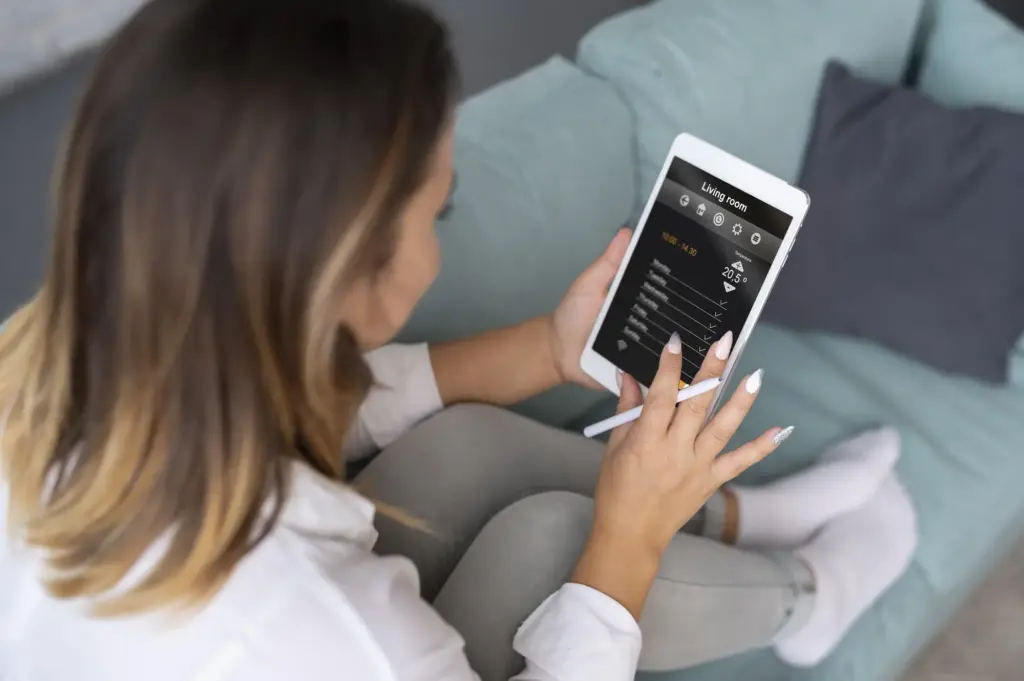
Use color bands for comfort zones, gentle gradients for thermal storage state, and annotations during weather spikes. Compare rooms side by side and show short notes when controls acted. Keep interfaces fast on phones for quick hallway checks. Clear, beautiful displays invite engagement instead of blame, turning analytics into daily practice rather than occasional audits.

Continuous Improvement with Seasonal Reviews

Hold brief retros at season changes, update assumptions, and retire rules that no longer serve. Invite operators and occupants to share observations, then experiment safely with small parameter nudges. Archive before-after snapshots so progress compounds. This cadence preserves gains, deepens trust, and makes the building feel like a living colleague growing wiser every month.

Safety, Standards, and Responsible Materials

Select assemblies tested for fire performance and emissions, confirm encapsulation durability, and follow manufacturer spacing around fixtures. Coordinate with code officials early to streamline approvals. Prefer suppliers with transparent ingredient disclosures and end-of-life guidance. Document choices so future teams understand why components were selected and how to replace them responsibly when the time eventually arrives.

Condensation, Mold, and Moisture Control

Thermal buffers can inadvertently chill surfaces below dewpoint if unmanaged. Use humidity sensing, nighttime ventilation logic, and gentle fan mixing to keep surfaces safe. Detail vapor control layers correctly, and design inspections to catch early signs. When comfort and moisture orchestration move together, materials stay sound, air smells cleaner, and maintenance calls fall dramatically.

Resilience When the Grid Goes Quiet

Stored heat and cold can carry spaces through short outages, buying time for safe decisions and calmer occupants. Pair with manual overrides, natural ventilation pathways, and clear signage. After power returns, staged recovery prevents system shocks. These thoughtful preparations transform anxiety into confidence, showing how passive strength and smart sensing protect wellbeing when surprises arrive.
Livolorolumapira
Privacy Overview

This website uses cookies so that we can provide you with the best user experience possible. Cookie information is stored in your browser and performs functions such as recognising you when you return to our website and helping our team to understand which sections of the website you find most interesting and useful.